

Lineartechnik
Beschreibung:
Definition
Was ist Lineartechnik?
Lineartechnik ist ein zentraler Bereich der Antriebstechnik und ermöglicht die präzise, geradlinige Bewegung entlang einer Achse. Durch dieses Prinzip werden Maschinenkomponenten, Werkzeuge und Werkstücke kontrolliert, wiederholgenau und effizient von einem Ort zum anderen bewegt.
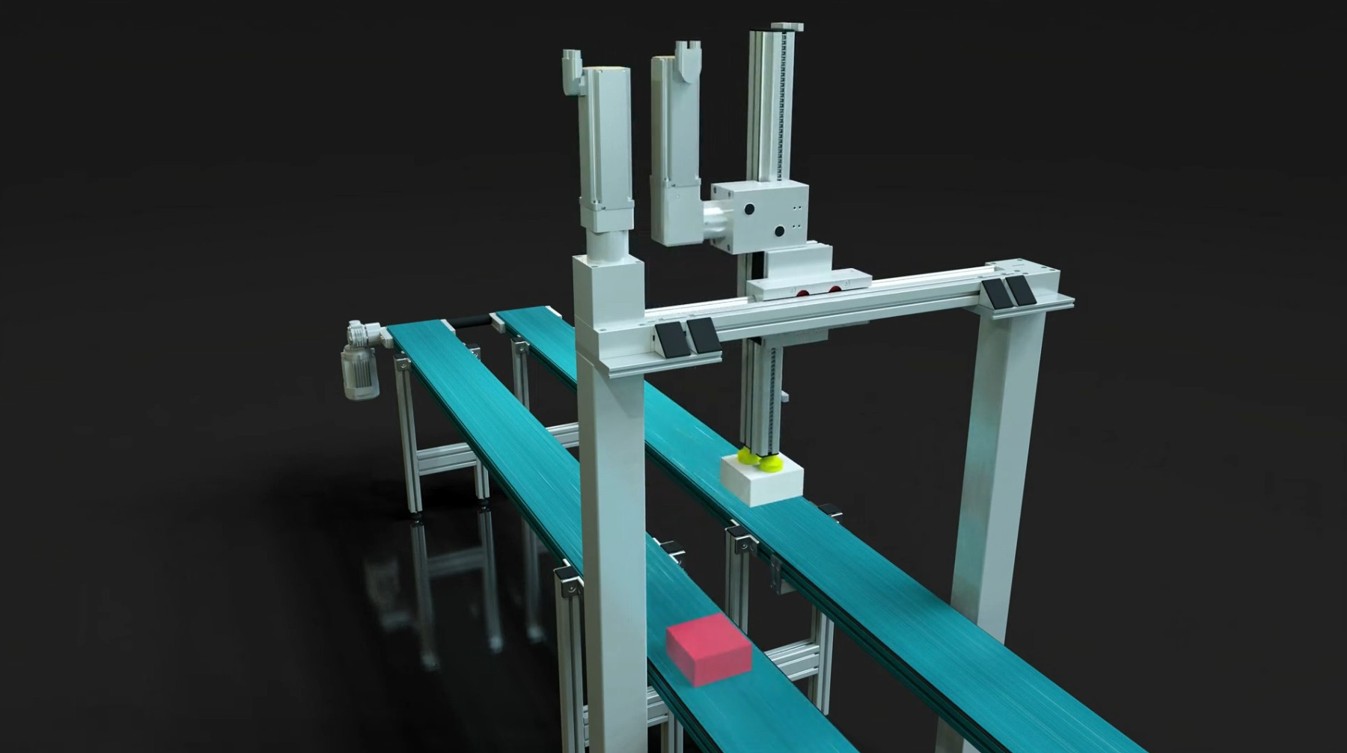
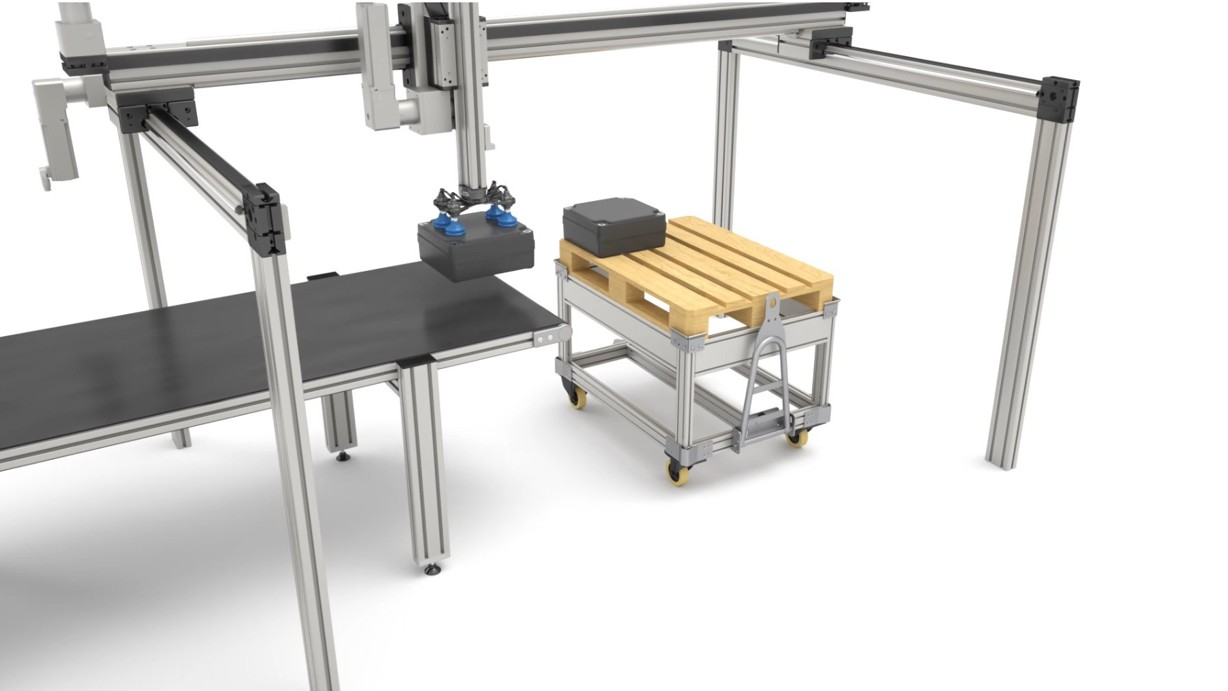
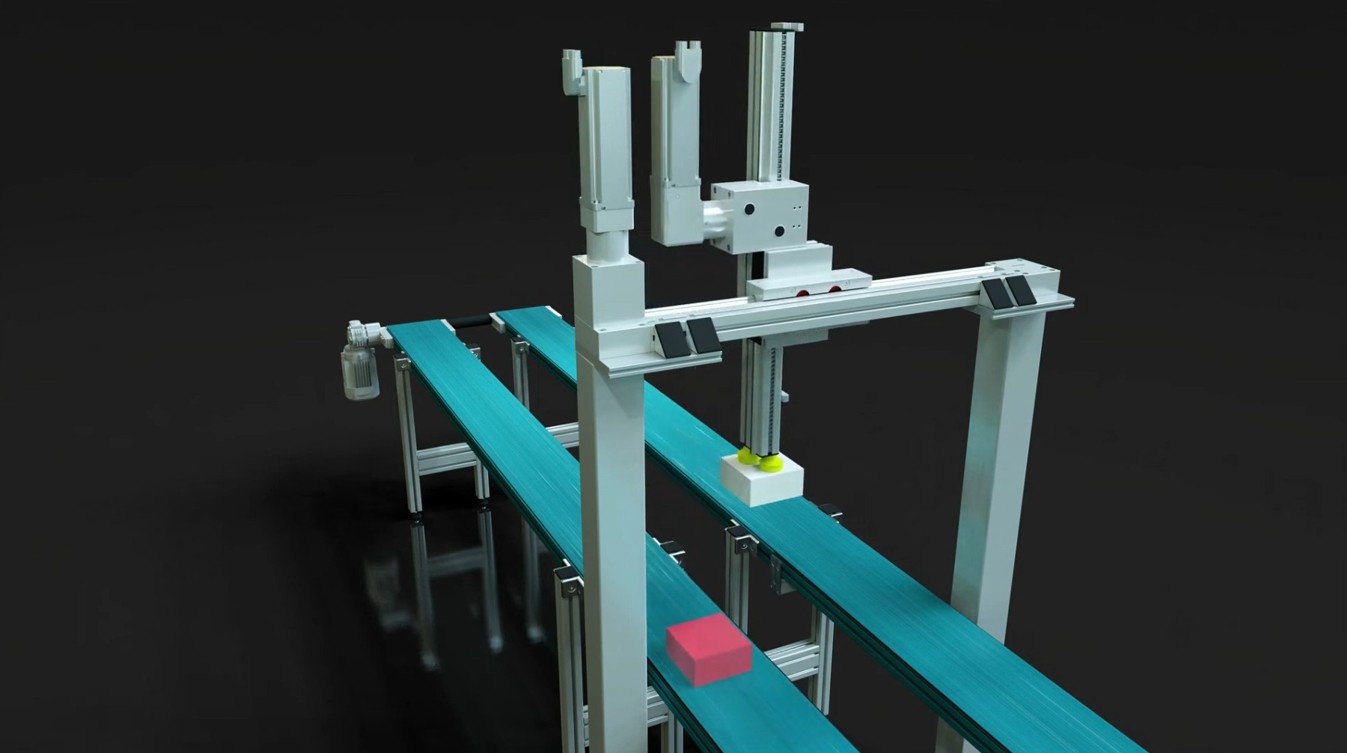
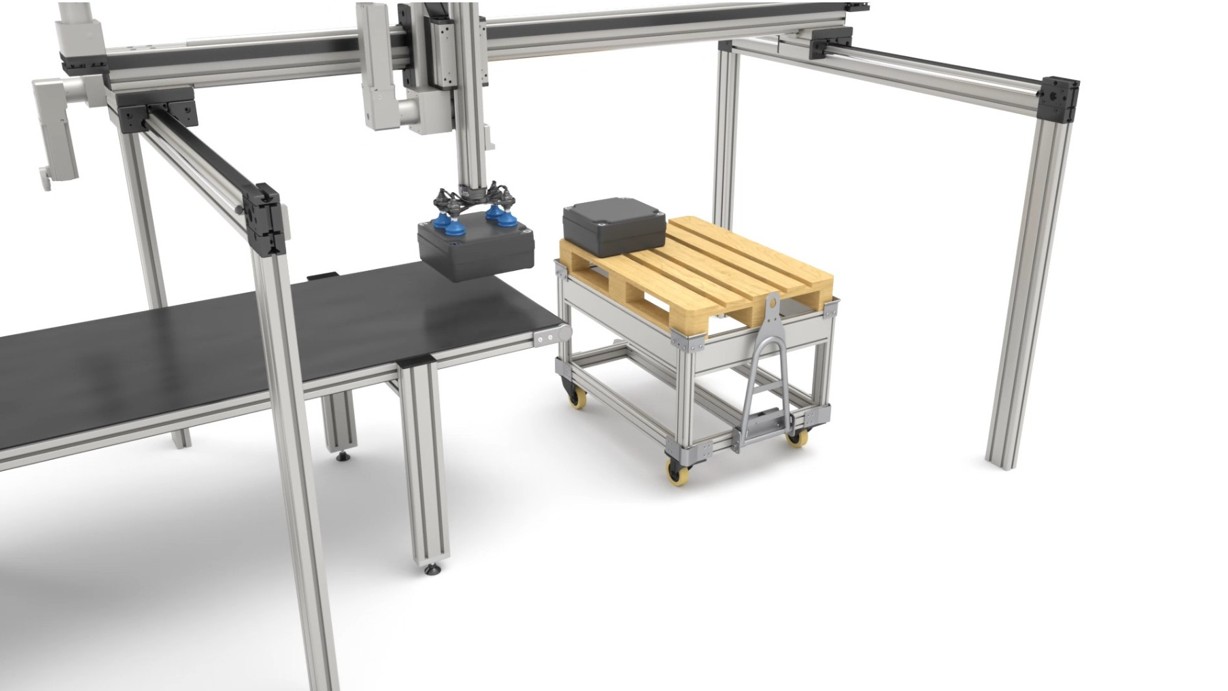
Im Gegensatz zu rotierenden Bewegungen wird bei der Lineartechnik die Drehbewegung einer Motorwelle in eine lineare Bewegung umgewandelt. Lineartechnik ermöglicht eine hohe Dynamik und die präzise Bewegung großer Lasten. Lineareinheiten lassen sich außerdem zu 2D-Flächenportalen und 3D-Raumportalen kombinieren, wodurch sich komplexe Abläufe realisieren lassen.
Im Gegensatz zu rotierenden Bewegungen wird bei der Lineartechnik die Drehbewegung einer Motorwelle in eine lineare Bewegung umgewandelt. Lineartechnik ermöglicht eine hohe Dynamik und die präzise Bewegung großer Lasten. Lineareinheiten lassen sich außerdem zu 2D-Flächenportalen und 3D-Raumportalen kombinieren, wodurch sich komplexe Abläufe realisieren lassen.
Gut zu wissen
Aus welchen Komponenten setzt sich Lineartechnik zusammen?
Eine angetriebene Lineareinheit besteht aus diesen vier Komponenten:
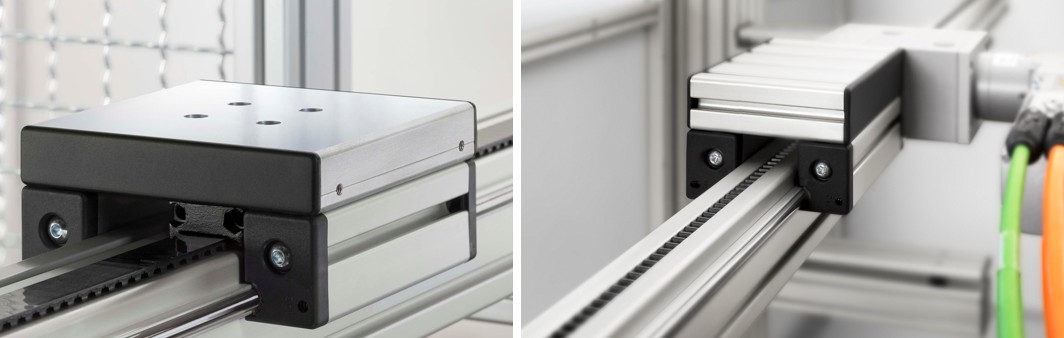
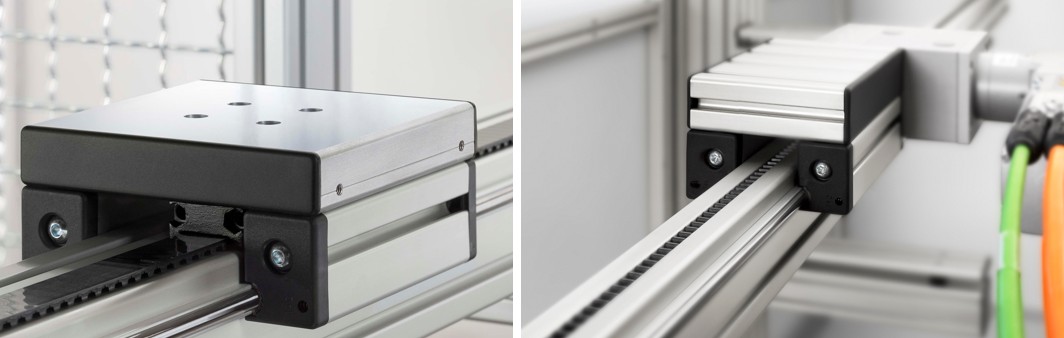
- Linearführung: Hierbei handelt es sich um eine Kombination aus Führungsschiene und Schlitten, die sich in präzisen und linearen Bewegungen auf der Schiene bewegt.
- Antriebselement bzw. Linearantrieb: Verschiedene Formen des Antriebs (z. B. Zahnriemen, Spindeltrieb, Kettentrieb oder Zahnstange) ermöglichen die Bewegung des Schlittens.
- Motor und Getriebe: Motor und Getriebe liefern die Energie, die in eine mechanische Drehbewegung umgewandelt wird. Das Getriebe sorgt dabei für die passende Drehzahl und das passende Drehmoment.
- Steuerung: Mit der Steuerung wird sichergestellt, dass der Schlitten die gewünschte Position zum richtigen Zeitpunkt und auf dem vorgesehenen Bewegungsweg erreicht.
Wo wird Lineartechnik eingesetzt?
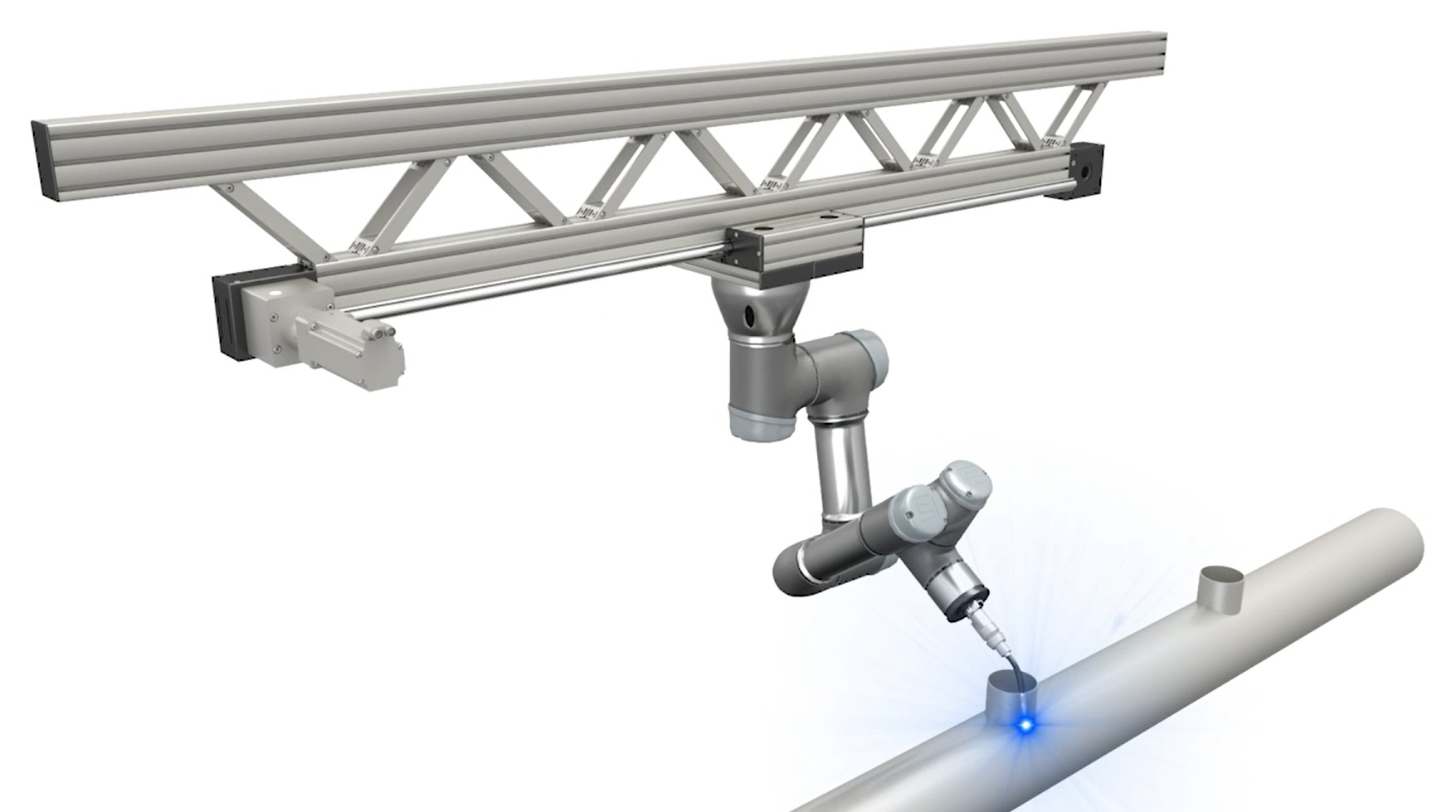
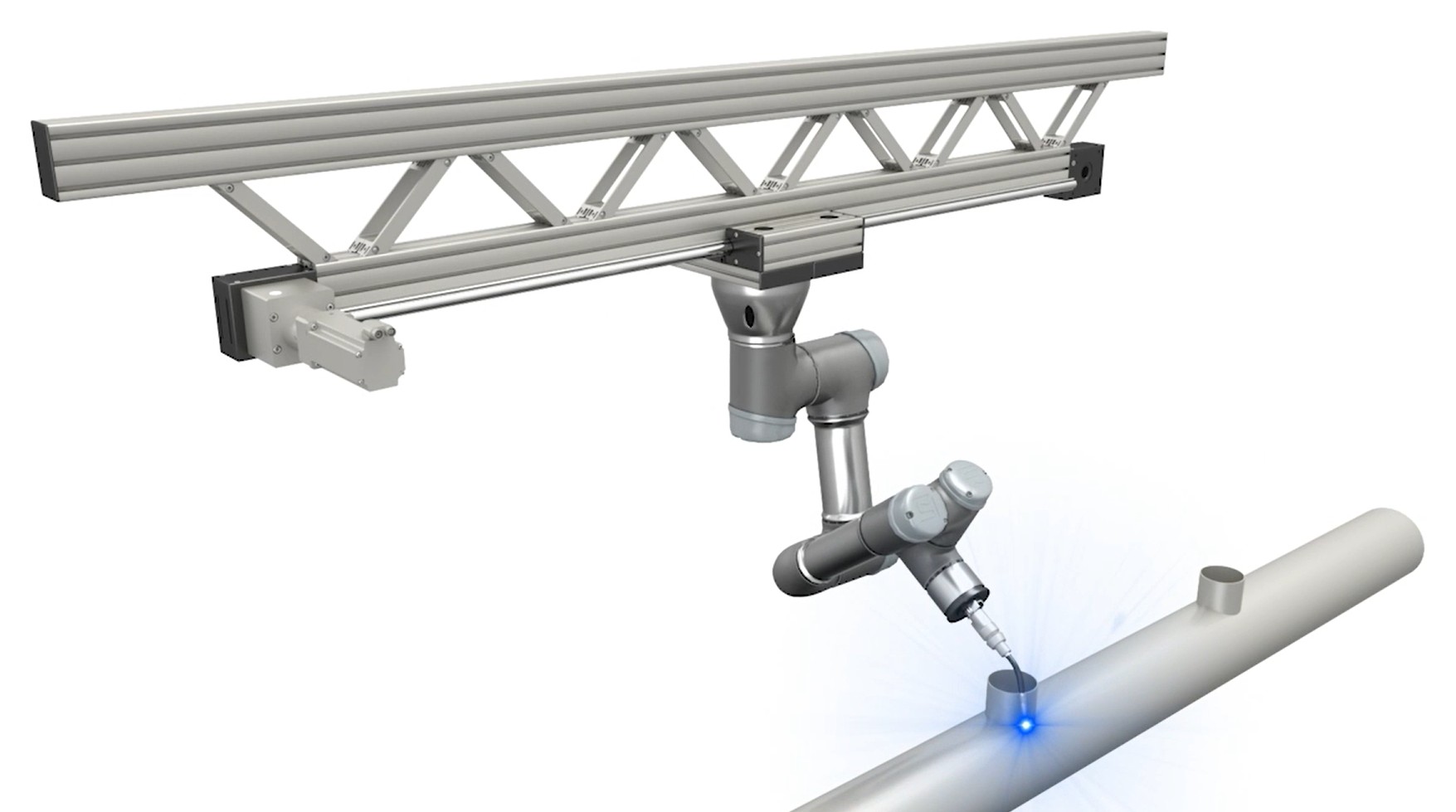
Lineartechnik wird überall dort eingesetzt, wo präzise geradlinige Bewegungen benötigt werden. Häufig wird Lineartechnik für Aufgaben wie präzises Positionieren, Pick-and-Place-Aufgaben und die Zuführung von Werkzeugen oder Komponenten eingesetzt.
Lineartechnik findet man unter anderem in folgenden Bereichen:
Lineartechnik findet man unter anderem in folgenden Bereichen:
- Industrielle Automatisierung, z. B. Montagelinien, Robotik, CNC-Maschinen und Handling-Systeme
- Produktions- und Verpackungstechnik
- Maschinenbau, z. B. Förderanlagen und Holzbearbeitung
- Medizin- und Dentaltechnik
- Chipherstellung und Elektronikfertigung
Worauf muss man beim Einsatz von Lineartechnik achten?
Beim Einsatz von Lineartechnik sind mehrere Faktoren entscheidend: Last, Verfahrweg, Geschwindigkeit, Taktzeit und Umgebungsbedingungen müssen vor der Auswahl der richtigen Lineareinheit sorgfältig analysiert werden. Die Wahl des Antriebs beeinflusst die Genauigkeit, Belastbarkeit und Kosten der Lösung maßgeblich. Darüber hinaus spielen der Montage- und Wartungsaufwand für eine lange Lebensdauer und die Zuverlässigkeit der Lösung eine wichtige Rolle.
Was bietet item im Bereich der Lineartechnik an?
item bietet mit dem item Linearsystem einen modularen Baukasten für unterschiedlichste Lineartechnik-Lösungen an – von Einzelachsen über Synchronachsen bis hin zu 2D- und 3D-Achsen. Das Portfolio umfasst einbaufertige Lineareinheiten, verschiedene Linearführungen und Antriebsarten sowie passende Motoren, Getriebe, Kupplungen und Steuerungen. Für die Auslegung und Inbetriebnahme stehen die kostenfreien Online Tools item MotionDesigner®️ und item MotionSoft®️ zur Verfügung.
-
Beispielsätze:
- Lineartechnik ermöglicht bei Pick-and-Place-Aufgaben schnelle wiederholgenaue Greif- und Ablagevorgänge.
- Eine CNC-Maschine nutzt Lineartechnik, um Werkzeuge präzise entlang einer Achse zu verfahren.
- Indem mehrere Achsen kombiniert werden, realisiert Lineartechnik komplexe Bewegungen in mehreren Dimensionen.

Linear technology
Description:
Definition
What is linear technology?
Linear technology is a key category of drive technology that facilitates precise, straight-line motion along an axis. It is used to move machine components, tools and workpieces efficiently from one place to another in a controlled manner and in a way that can be replicated with precision.
In contrast to rotational movement, a linear motion system takes the rotary motion of a motor shaft and converts it into linear motion. Linear technology facilitates the highly dynamic and precise movement of heavy loads. Linear units can also be combined to create two- and three-dimensional gantries and implement complex motion sequences.
In contrast to rotational movement, a linear motion system takes the rotary motion of a motor shaft and converts it into linear motion. Linear technology facilitates the highly dynamic and precise movement of heavy loads. Linear units can also be combined to create two- and three-dimensional gantries and implement complex motion sequences.
Good to know
What components make up a linear technology solution?
A powered linear unit consists of the following four components:
- Linear guide: A linear guide is a combination of linear guide rail and carriage in which the carriage executes precise linear movements along the linear rail.
- Drive element / linear drive: There are various types of drive (e.g. timing belt, ball screw and rack and pinion) that enable the carriage to move.
- Motor and gearbox: The motor converts electrical energy into a mechanical rotary motion. The gearbox ensures that the speed and torque of that motion are appropriate for the relevant requirements.
- Controller: The controller ensures that the carriage follows the right path to reach the right position at the right time.
Where is linear technology used?
Linear technology is used wherever precise, straight-line motion is required. Linear technology is often used for tasks such as precise positioning, pick-and-place operations and the infeed of tools or components.
Linear technology and linear motion components are found in the following areas:
Linear technology and linear motion components are found in the following areas:
- Industrial automation, e.g. assembly lines, robotics, CNC machines and handling systems
- Production and packaging technology
- Mechanical engineering, e.g. conveyor systems and timber processing
- Medical and dental technology
- Chip manufacturing and electronics production
What are the key considerations when using linear technology?
There are several important factors to consider when using linear technology – load, travel distance, speed, cycle time and environmental conditions all need to be carefully analysed before choosing the right linear unit. The type of drive that is selected has a significant influence on the precision, load-carrying capacity and cost of the solution. The installation and maintenance outlay needed to ensure both the reliability of the solution and a long service life also plays an important role.
What does item offer in terms of linear technology?
The item Linear System is a modular building kit system for implementing a huge range of linear technology solutions – from single and synchronised axes to two- and three-dimensional axes. The portfolio encompasses ready-to-install linear units, a range of linear guides and drive types, and compatible motors, gearboxes, couplings and controllers. The free online tools item MotionDesigner®️ and item MotionSoft®️ are available for designing and commissioning your solutions.
-
Example sentences:
- Linear technology facilitates rapid, repeatable gripping and positioning actions in pick-and-place applications.
- A CNC machine uses linear technology to move tools along an axis with precision.
- When multiple axes are combined, linear technology can be used to implement complex movements in several dimensions.

Tecnología lineal
Description:
Definición
¿Qué es la tecnología lineal?
La tecnología lineal es una categoría clave dentro de la tecnología de accionamiento que permite un movimiento rectilíneo preciso a lo largo de un eje. Se utiliza para desplazar de forma eficiente componentes de máquinas, herramientas y piezas de trabajo de un lugar a otro, de forma controlada y de una manera que se pueda reproducir con precisión.
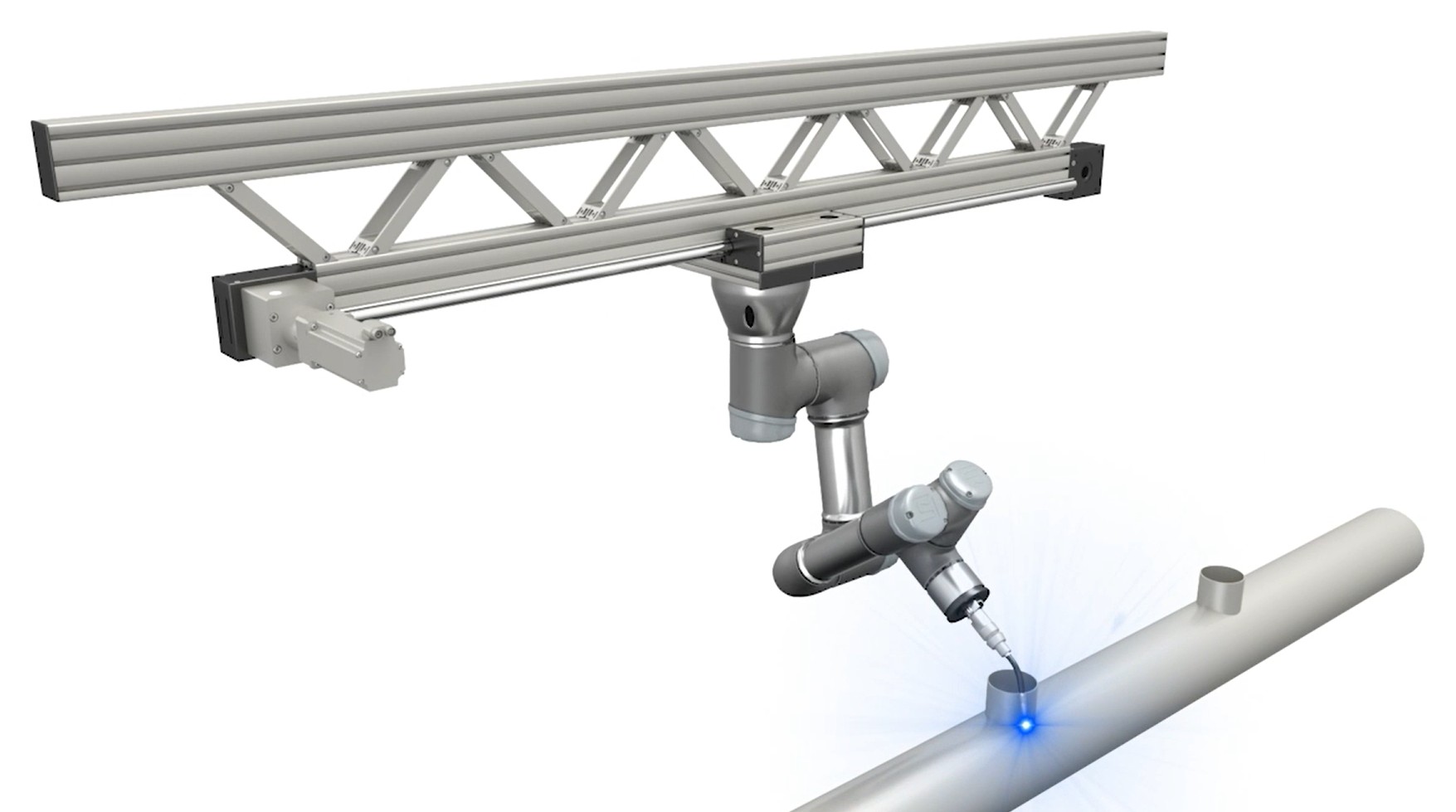
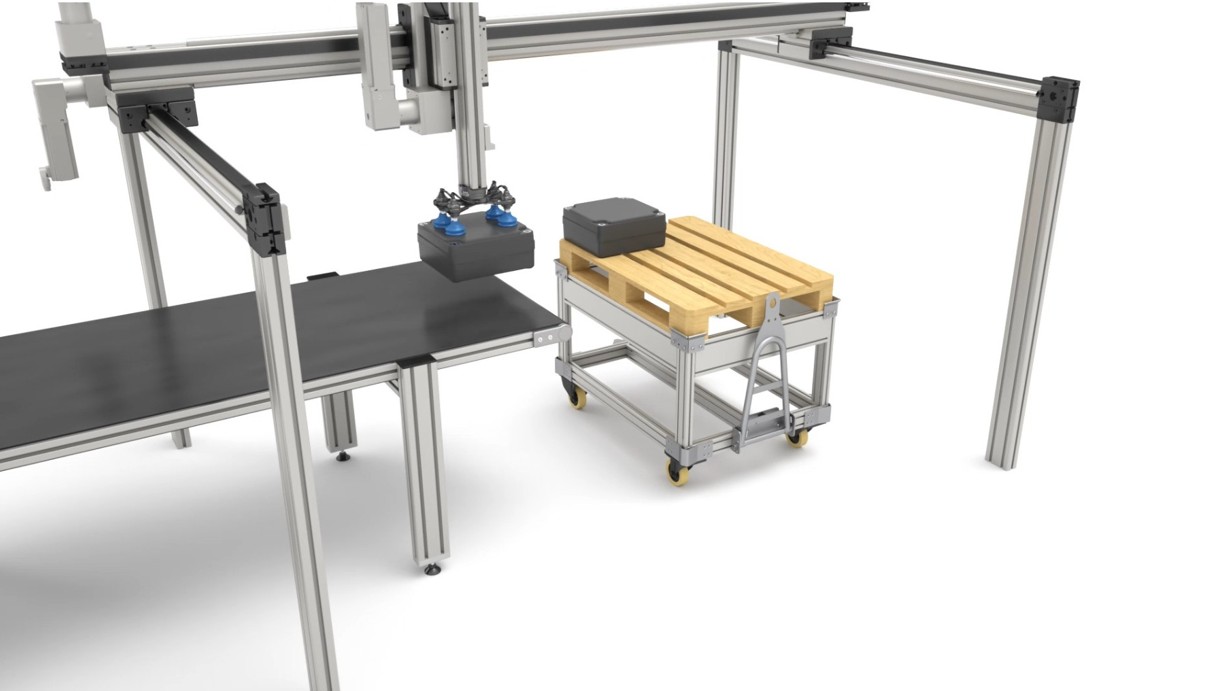
A diferencia del movimiento rotativo, un sistema de movimiento lineal convierte el movimiento giratorio del eje de un motor en un movimiento lineal. La tecnología lineal permite mover cargas pesadas con gran rapidez y precisión. Las unidades lineales también pueden combinarse para crear pórticos bidimensionales y tridimensionales, y llevar a cabo complejas secuencias de movimiento.
A diferencia del movimiento rotativo, un sistema de movimiento lineal convierte el movimiento giratorio del eje de un motor en un movimiento lineal. La tecnología lineal permite mover cargas pesadas con gran rapidez y precisión. Las unidades lineales también pueden combinarse para crear pórticos bidimensionales y tridimensionales, y llevar a cabo complejas secuencias de movimiento.
Es bueno saber
¿Cuáles son los componentes de una solución de tecnología lineal?
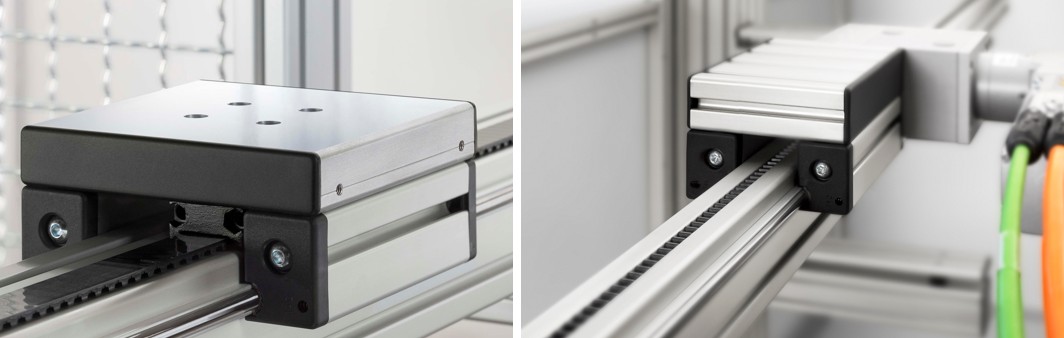
Una unidad lineal consta de cuatro componentes:
- Guía lineal: Una guía lineal es una combinación de un carril guía y un carro en la que el carro ejecuta movimientos lineales precisos a lo largo del carril lineal.
- Elemento de accionamiento / accionamiento lineal: Existen varios tipos de accionamiento (p. ej., con correa dentada, de husillo de bolas y de cremallera con piñón) que permiten el movimiento del carro.
- Motor y reductor: El motor convierte la energía eléctrica en un movimiento rotativo mecánico. El reductor garantiza que la velocidad y el par de ese movimiento sean adecuados para los requisitos correspondientes.
- Controlador: El controlador asegura que el carro siga la trayectoria correcta para alcanzar la posición adecuada en el momento preciso.
¿Dónde se utiliza la tecnología lineal?
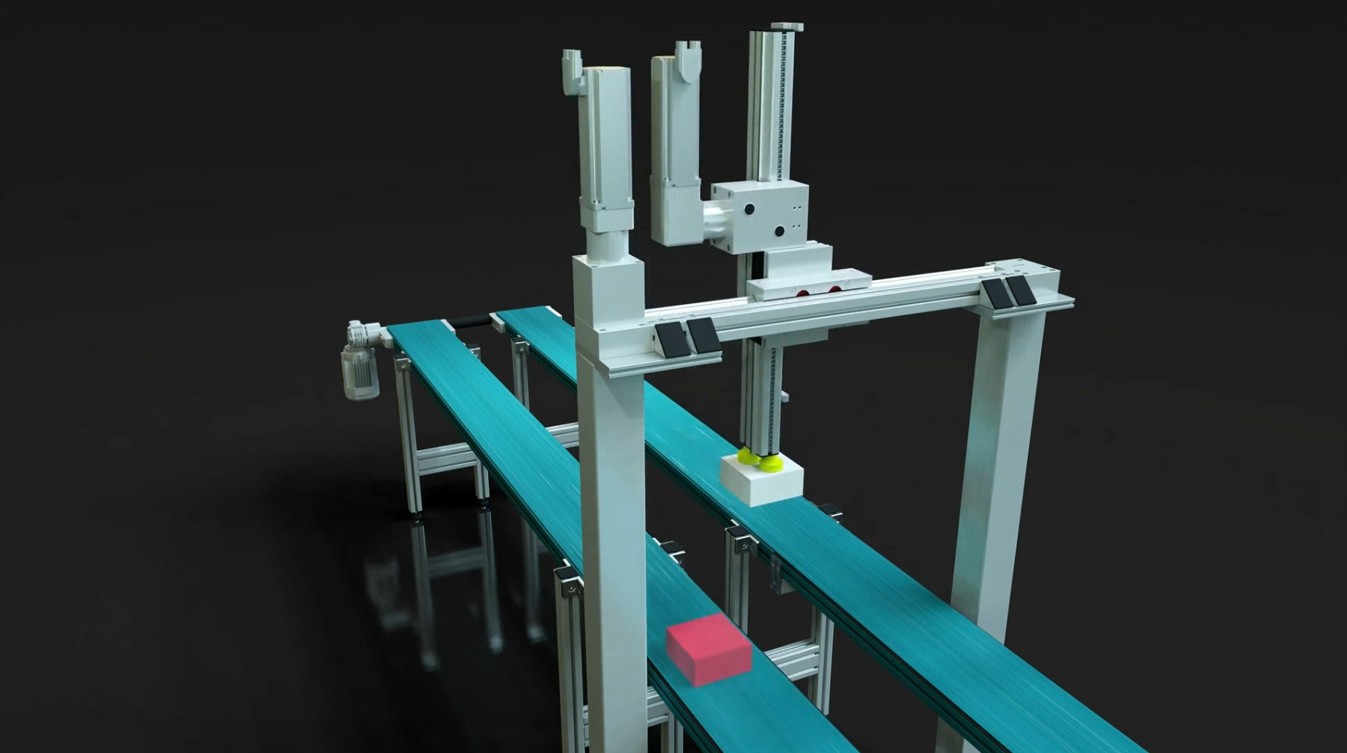
La tecnología lineal se utiliza siempre que se necesita un movimiento rectilíneo preciso. Suele utilizarse para tareas como el posicionamiento preciso, operaciones de recogida y colocación y la carga de herramientas o componentes.
La tecnología lineal y los componentes de movimiento lineal se encuentran en los siguientes sectores:
La tecnología lineal y los componentes de movimiento lineal se encuentran en los siguientes sectores:
- Automatización industrial, p. ej., líneas de ensamblaje, robótica, máquinas CNC y sistemas de manipulación
- Tecnología de producción y embalaje
- Ingeniería mecánica, p. ej., sistemas de transporte y procesamiento de madera
- Tecnología médica y odontológica
- Fabricación de chips y producción de componentes electrónicos
¿Cuáles son las consideraciones clave a tener en cuenta al utilizar la tecnología lineal?
A la hora de utilizar la tecnología lineal hay varios factores importantes que se deben tener en cuenta: la carga, la distancia de desplazamiento, la velocidad, el tiempo de ciclo y las condiciones ambientales deben analizarse cuidadosamente antes de elegir la unidad lineal adecuada. El tipo de accionamiento seleccionado influye de forma significativa en la precisión, la capacidad de carga y el coste de la solución. El esfuerzo de instalación y mantenimiento necesario para garantizar tanto la fiabilidad de la solución como una larga vida útil también desempeña un papel importante.
¿Qué ofrece ítem en el ámbito de la tecnología lineal?
El Sistema lineal de item es un sistema de construcción modular que permite obtener una amplia variedad de soluciones de tecnología lineal: desde ejes simples y sincronizados hasta ejes bidimensionales y tridimensionales. El catálogo incluye unidades lineales listas para instalar, una amplia variedad de guías lineales y tipos de accionamiento, además de motores, reductores, acoplamientos y controladores compatibles. Tiene a su disposición las herramientas online gratuitas item MotionDesigner®️ e item MotionSoft®️ para diseñar y poner en funcionamiento sus soluciones.
-
Ejemplos de uso:
- La tecnología lineal facilita acciones rápidas y repetibles de agarre y posicionamiento en aplicaciones de recogida y colocación.
- Una máquina CNC utiliza tecnología lineal para mover herramientas a lo largo de un eje de forma precisa.
- Si se combinan varios ejes, la tecnología lineal puede utilizarse para llevar a cabo movimientos complejos en varias dimensiones.